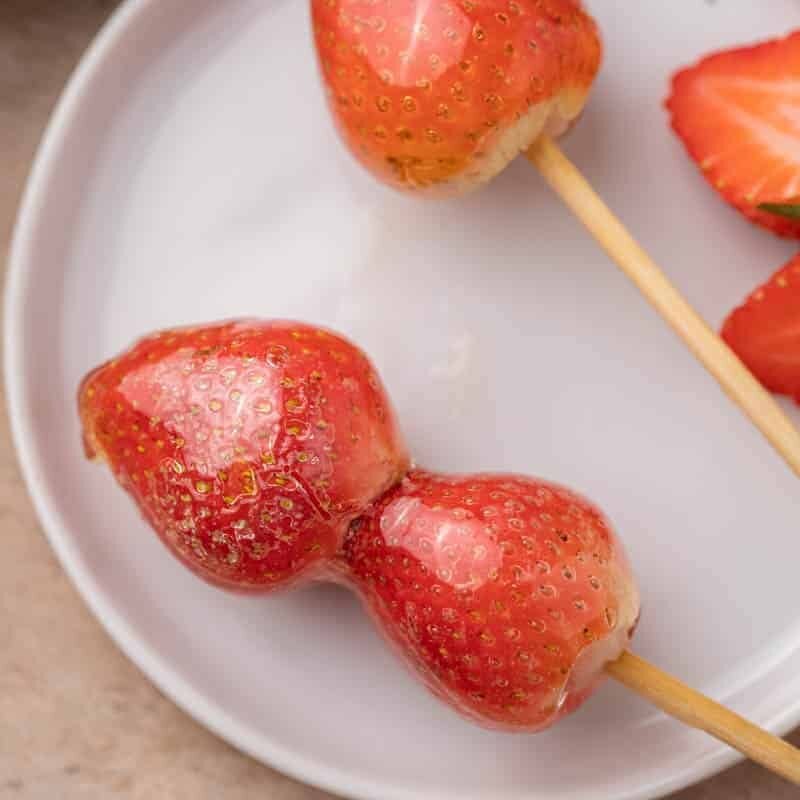
How to Make Easy Tanghulu: Perfect Candied Fruit at Home
Few treats capture the imagination quite like Tanghulu. This vibrant, glossy candied fruit, with its signature satisfying "crack" when bitten, has exploded in popularity across social media platforms like TikTok and Instagram. Originating as a traditional Chinese street snack, Tanghulu transforms simple fresh fruit into a dazzling, jewel-like confection that’s surprisingly easy to master in your own kitchen. If you've ever wondered how to make Tanghulu that boasts that perfect, crunchy sugar shell and juicy interior, you've come to the right place. We'll guide you through every step to achieve a flawless result, turning everyday fruit into an extraordinary dessert.
What Exactly is Tanghulu? A Sweet History
Tanghulu, also known as bīngtáng húlú, is a beloved traditional Chinese snack consisting of fresh fruit skewers coated in a hard, transparent sugar candy shell. Historically, the most common fruit used was hawthorn berries, known for their tartness which beautifully balances the sweetness of the candy coating. Once dipped in boiling sugar syrup, the fruit is quickly plunged into cold water, instantly solidifying the sugar into a glassy, protective layer that shatters delightfully with each bite.
The origins of Tanghulu are steeped in legend, with tales tracing back to the Song Dynasty. It's said that a physician, seeking to restore the appetite of an ailing imperial concubine, prescribed hawthorn fruit boiled with rock sugar. The sweet and tart combination proved effective, and thus, Tanghulu was born. Over centuries, this iconic treat evolved, spreading across China and eventually making its way to South Korea and, more recently, captivating global audiences online. Modern versions incorporate a wider variety of fruits, such as strawberries, grapes, mandarins, and kiwi, each offering a unique flavor profile that complements the crisp sugar shell.
The taste experience of Tanghulu is truly unique: a delightful interplay of textures and flavors. The initial crunch of the fragile sugar shell gives way to the burst of juicy, often tart fruit within. This contrast is key; the acidity of fruits like strawberries or grapes prevents the snack from being overly sweet, creating a refreshing and addictive treat that's perfect for any occasion.
Why Make Tanghulu at Home? The Irresistible Allure
While Tanghulu is a fantastic street food, crafting it at home offers numerous advantages and a rewarding experience. It's not just about replicating a popular snack; it's about customizing it to your taste and enjoying the process. Here’s why you should absolutely try making Tanghulu at home:
- Beginner-Friendly: Despite involving hot sugar, this recipe is designed to be accessible, even if you’ve never worked with candy before. We'll provide clear cues to ensure success.
- Simple Ingredients: You likely already have everything you need – fruit, sugar, and water. No fancy equipment or obscure ingredients required. While corn syrup can sometimes be used to prevent crystallization, our method often works beautifully without it.
- Versatile & Customizable: Experiment with your favorite seasonal fruits! Tanghulu works with a wide range of fruit profiles, allowing for endless delicious variations. For more ideas on fruit choices, check out our article on Tanghulu: Ancient Snack, Modern Twist & Versatile Fruits.
- Visually Stunning: The glossy, jewel-like appearance of Tanghulu makes it a show-stopping dessert for parties, gatherings, or simply a fun family activity.
- Surprisingly Fast: Once your syrup is ready, the dipping process is quick, meaning you can whip up a batch in under an hour.
- Cost-Effective: Enjoy a gourmet-looking treat without the gourmet price tag. Making it yourself is far more economical than buying specialty versions.
Mastering the Art of Tanghulu: A Step-by-Step Guide
The secret to perfect Tanghulu lies in a few critical steps and attention to detail. This comprehensive guide will walk you through exactly how to make Tanghulu with a perfectly crunchy, non-sticky shell every time.
Step 1: Gather Your Ingredients and Tools
Before you begin, ensure you have everything ready. This allows for a smooth, stress-free process once the sugar syrup is hot.
- Fruits: Strawberries, grapes (seedless are best), mandarins (peeled), kiwi slices, raspberries, or small apple wedges. Choose firm, fresh fruit.
- Granulated Sugar: Standard white sugar.
- Water: For the syrup and the ice bath.
- Skewers: Bamboo skewers, cut to a suitable length for your fruit.
- Heavy-Bottomed Pot: A non-stick pot or saucepan is ideal to prevent sticking and burning.
- Ice Bath: A large bowl filled with ice and cold water. This is crucial for instantly hardening the sugar.
- Baking Sheet: Lined with parchment paper or a silicone baking mat to prevent sticking after dipping.
Step 2: Prepare Your Fruits
This step is absolutely critical for a successful, non-sticky coating. Any moisture on the fruit will prevent the sugar from adhering properly and can lead to a sticky mess or crystallization.
- Wash Thoroughly: Rinse your chosen fruits under cold water.
- DRY, DRY, DRY: This cannot be stressed enough. Gently pat each piece of fruit completely dry with paper towels. Let them air dry for an additional 10-15 minutes if possible. Ensure there is no residual moisture.
- Skewer the Fruit: Carefully thread the dry fruit onto bamboo skewers. Don't overcrowd them; leave a little space between each piece to ensure even coating. For strawberries, you might only put one or two per skewer.
Step 3: Create the Sugar Syrup Magic
The sugar syrup is the heart of Tanghulu. Achieving the correct consistency is key to that iconic crunch.
- Combine Sugar and Water: In your heavy-bottomed pot, combine granulated sugar and water. A common and reliable ratio is 2 parts sugar to 1 part water (e.g., 2 cups sugar to 1 cup water).
- Heat Gently: Place the pot over medium heat. Stir gently only until the sugar fully dissolves. Once it begins to boil, STOP STIRRING. Stirring sugar syrup while it boils can introduce air bubbles and cause crystallization, leading to a grainy, not glossy, coating.
- Boil to Perfection: Allow the syrup to boil undisturbed. The mixture will transition from clear to slightly bubbly, then develop larger bubbles. You’ll notice it thickening and perhaps even starting to turn a very pale amber color.
- Without a Thermometer: This method relies on visual cues and the "water test." The syrup is ready when it reaches approximately 300-310°F (149-154°C), which is the "hard crack" stage. You can test by carefully dropping a small amount of syrup into your ice bath. If it instantly hardens into a brittle, glass-like thread that snaps easily, it's ready. If it's chewy or dissolves, continue boiling.
- With a Thermometer: If you have one, clip a candy thermometer to the side of the pot (ensure it doesn't touch the bottom) and cook until it reaches 300-310°F (149-154°C).
Pro Tip: As the syrup boils, if you see sugar crystals forming on the sides of the pot, gently brush them down with a wet pastry brush.
Step 4: The Dip and Chill
Speed and precision are vital here. Work quickly, but carefully, as the sugar is extremely hot.
- Dip the Fruit: Once the syrup reaches the hard crack stage (or your water test is successful), immediately remove the pot from the heat. Carefully hold a fruit skewer and dip it into the hot syrup, rotating to ensure an even, thin coating. Avoid thick layers, which can be too hard to bite through.
- Shock in Ice Bath: As soon as the fruit is coated, immediately plunge the entire skewer into the ice bath for 5-10 seconds. You'll hear a sizzle as the candy shell instantly hardens.
- Drain and Set: Remove the skewer from the ice bath, allowing excess water to drip off. Place the Tanghulu on your prepared parchment-lined baking sheet. The candy should be clear and hard within moments.
- Repeat: Work quickly with the remaining skewers. If your syrup starts to cool and thicken too much, you can gently reheat it over low heat for a few seconds, but be careful not to overcook it.
Step 5: Setting and Serving
Tanghulu is best enjoyed fresh, within an hour or two of making it, for optimal crunch and shine.
- Once all your Tanghulu skewers are coated and hardened, they are ready to serve!
- While you can store them in the refrigerator for a short period, humidity can cause the sugar shell to become sticky or lose its crunch.
Key Tips for a Flawless Crunchy Shell
Achieving that perfect, non-sticky, crunchy shell hinges on a few crucial details:
- Absolutely Dry Fruit: This cannot be overstated. Moisture is the enemy of a crisp candy shell.
- Don't Stir Boiling Syrup: Once the sugar has dissolved and the syrup is boiling, resist the urge to stir. Stirring promotes crystallization.
- The Right Temperature: Whether using a thermometer or the water test, hitting the "hard crack" stage is essential. Undercooked syrup will be sticky; overcooked syrup might taste burnt or be too brittle.
- Quick Dip, Quicker Chill: The rapid transition from hot syrup to ice bath is what creates the instant, shatteringly crisp shell.
- Work in Batches: If making a large quantity, work with smaller amounts of fruit to keep the syrup at the right temperature and to prevent overcrowding.
For more troubleshooting and advanced tips on perfecting your candied fruit, refer to our detailed guide: Unlock the Secret to Crunchy Tanghulu: No-Fail Recipe.
Conclusion
Making Tanghulu at home is a delightful culinary adventure that yields a truly spectacular result. With simple ingredients, clear steps, and a keen eye for detail, you can easily create these iconic candied fruit skewers with their signature glossy, crunchy shell and juicy centers. No more wondering how to make Tanghulu – you now have all the knowledge and tips to impress your friends and family, or simply treat yourself to this irresistible sweet and tart sensation. So grab your favorite fruits, get your pot ready, and prepare to enjoy the satisfying "crack" of perfectly homemade Tanghulu!
