Tanghulu: Ancient Snack, Modern Twist & Versatile Fruits
In a world constantly seeking the next viral culinary sensation, one ancient delicacy has captured hearts and taste buds across the globe: Tanghulu. This visually stunning, audibly satisfying, and utterly delicious treat, hailing from Northern China, is more than just candied fruit—it's an experience. If you've scrolled through social media lately, chances are you've seen those glistening, jewel-toned fruit skewers, poised for that iconic 'crack' sound. But beyond its internet fame, Tanghulu offers a delightful journey into traditional Chinese street food, now made accessible in your very own kitchen. Learning
how to make tanghulu at home is simpler than you might think, transforming everyday fruit into an extraordinary sweet sensation.
What is Tanghulu? A Sweet Tradition Reimagined
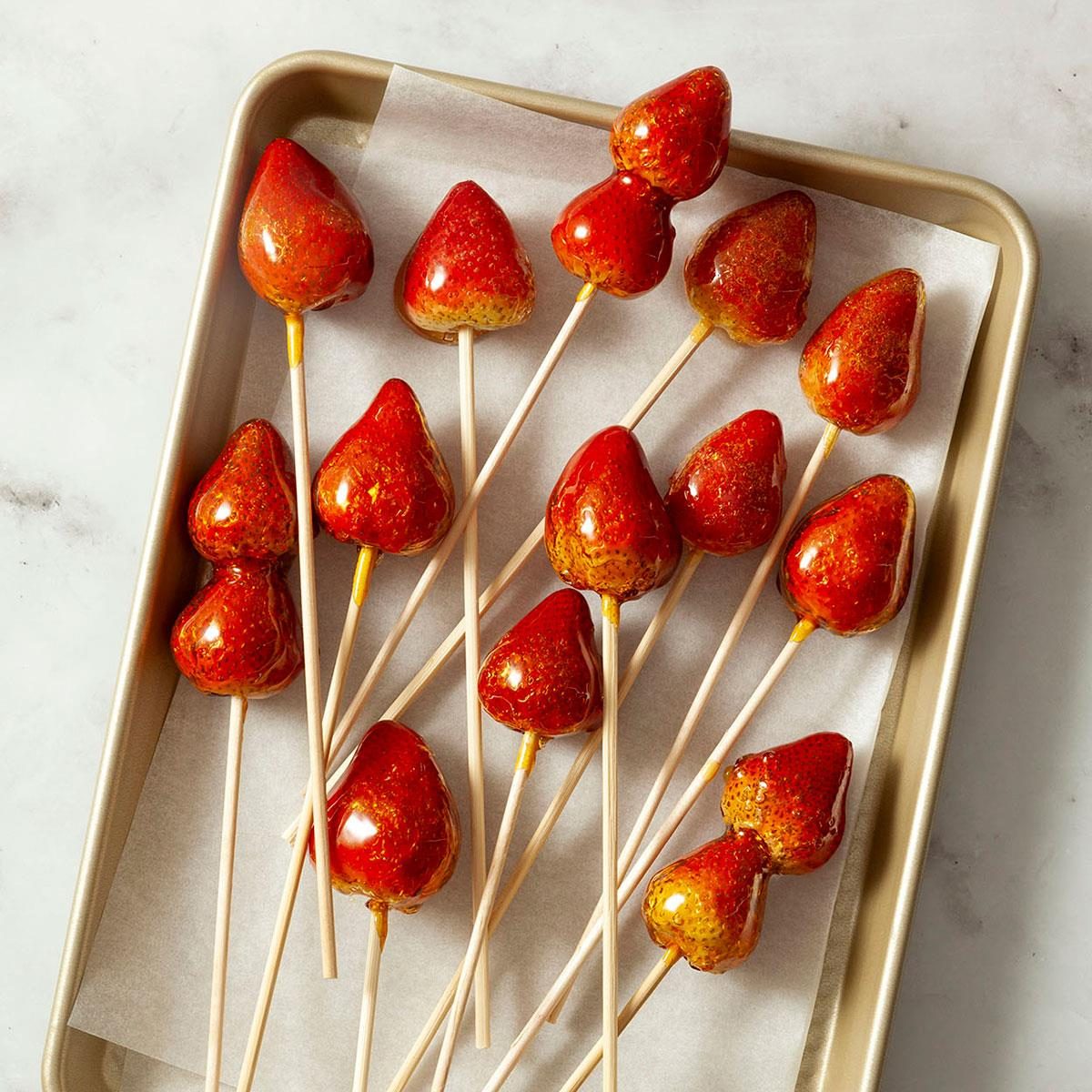
At its core, Tanghulu is a traditional Chinese street snack consisting of fresh fruit coated in a thin, hard, and gloriously glossy sugar shell. The process is deceptively simple yet yields spectacular results: fruit is skewered, dipped into boiling sugar syrup, and then rapidly cooled in ice water, instantly hardening the sugar into a clear, brittle candy coating. The magic lies in the contrast—the satisfying *shatter* of the candy gives way to the burst of juicy, fresh fruit beneath.
A Glimpse into Tanghulu's Ancient Roots
Known also as *bingtang hulu*, this iconic treat boasts a rich history. Legend traces its origins back to the Song Dynasty, where a physician reputedly created sugar-coated hawthorn berries to restore the appetite of an ailing concubine. Traditionally, Tanghulu was made exclusively with the tart, deep-red hawthorn berry, its natural acidity perfectly balancing the sweetness of the sugar. Over centuries, its popularity spread, evolving from a royal remedy to a beloved street food. Modern renditions, particularly those seen across China, South Korea, and now globally thanks to the internet, embrace a wider array of fruits like strawberries, grapes, and even more exotic choices, broadening its appeal while maintaining its quintessential charm.
The Irresistible Taste and Texture
Imagine biting into something that offers an immediate, satisfying crunch, followed by a rush of sweet and juicy fruit. That's the Tanghulu experience. The thin sugar shell provides a delightful snap that quickly melts, dissolving into the refreshing fruit inside. While inherently sweet, the best Tanghulu uses fruits with a hint of tartness. This acidic balance is key; it prevents the snack from tasting overwhelmingly sweet and ensures a refreshing finish that keeps you coming back for more.
Why Tanghulu is Taking the Internet by Storm (and Your Kitchen Too!)
Tanghulu’s rise to internet stardom is no accident. Its photogenic qualities—the vibrant colors, the glassy sheen, and that satisfying ASMR-worthy crack—make it perfect for social media. However, its appeal extends far beyond aesthetics. Making Tanghulu at home offers a surprisingly rewarding experience, proving that complex-looking treats can be achieved with simple ingredients and a little know-how.
Beyond the Hype: Practical Perks of Homemade Tanghulu
One of the greatest advantages of making Tanghulu yourself is its accessibility. You don't need obscure ingredients or specialized equipment. Typically, all you require are fresh fruits, granulated sugar, and water. Many recipes, including expert ones, show you
how to make tanghulu without a candy thermometer, relying instead on clear visual cues for the perfect syrup consistency. This makes it a fantastic project for culinary beginners who are keen to try working with hot sugar for the first time.
Furthermore, homemade Tanghulu provides:
- Beginner-Friendly Exploration: Even if you've never ventured into candy making, clear step-by-step guides can help you achieve that coveted glossy, crackly shell.
- Simple Ingredients, Big Impact: Using pantry staples, you can create a visually stunning snack that's perfect for impressing friends and family.
- Versatility at Its Best: Adapt the recipe to seasonal fruits or whatever you have on hand, offering endless flavor profiles.
- No Corn Syrup Required: While some recipes include it for preventing crystallization, it's often optional, allowing for a more natural approach.
- Customization: Control the sweetness level and choose your favorite fruits, making it a perfect snack tailored to your preferences.
It's an ideal treat for parties, a fun afternoon snack, or simply to satisfy a sweet craving with a refreshing twist.
Mastering the Art of Tanghulu: Your Step-by-Step Guide
Embarking on your Tanghulu journey is an exciting prospect. While the process is straightforward, paying attention to a few crucial details will ensure success and help you achieve that perfect, non-sticky, crunchy coating. If you're looking for an even more detailed walkthrough, don't miss our guide on
How to Make Easy Tanghulu: Perfect Candied Fruit at Home.
Essential Ingredients and Equipment
Before you even think about the sugar, thorough preparation is key. You'll need:
- Fresh Fruits: Choose firm, ripe fruits. Wash them thoroughly and, most critically, *dry them completely*. Any moisture on the fruit can cause the sugar to crystallize or prevent it from adhering properly.
- Skewers: Bamboo skewers are traditional and work perfectly. Ensure your fruit pieces are small enough to fit comfortably on them.
- Granulated Sugar & Water: The foundation of your candy coating. A common ratio is 2 parts sugar to 1 part water.
- Heavy-Bottomed Pot: A non-stick or stainless steel pot with high sides is ideal for heating the sugar syrup evenly and safely.
- Ice Water Bath: Prepare a large bowl of ice water *before* you start heating the sugar. This immediate "shock" is what hardens the candy shell.
- Parchment Paper or Silicone Mat: For resting your finished Tanghulu without sticking.
Key Steps for That Perfect Candy Shell
The heart of learning
how to make tanghulu lies in mastering the sugar syrup.
- Prepare Your Fruits & Skewers: Wash and completely dry your chosen fruits. Thread them onto skewers, leaving a little space between each piece. Have your ice bath ready and your parchment paper laid out.
- Create the Sugar Syrup: Combine your sugar and water in the heavy-bottomed pot. Heat over medium-high heat, allowing the sugar to dissolve without stirring constantly. Excessive stirring can cause crystallization. Instead, gently swirl the pot if needed.
- Monitor the Syrup: This is where precision comes in. The syrup needs to reach the "hard crack" stage (approximately 300-310°F or 149-154°C). If you don't have a thermometer, look for visual cues: the syrup will stop bubbling vigorously, the bubbles will become smaller and more uniform, and the color will turn a very light amber. A quick test involves dropping a small amount of syrup into cold water; it should immediately harden into a brittle, snappable thread.
- Dip the Fruits: Once the syrup is ready, remove it from the heat. Working quickly, carefully dip each skewer of fruit into the hot syrup, rotating to ensure an even, thin coating.
- Harden Instantly: Immediately after dipping, plunge the coated fruit into the ice water bath for just a few seconds until the sugar hardens and glistens. This quick shock is crucial for that glassy, crackly finish.
- Set and Enjoy: Remove the Tanghulu from the ice water, let any excess water drip off, and place it on parchment paper to fully set. Enjoy immediately for the best experience!
Common Pitfalls and How to Avoid Them
Even with a clear recipe, hot sugar can be tricky. Here are tips for avoiding common issues:
- Sticky Shells: This often happens if the syrup didn't reach a high enough temperature. Ensure it hits the hard crack stage. Humidity can also play a role; try making Tanghulu on a dry day.
- Crystallized Sugar: Avoid stirring the syrup once the sugar dissolves. If crystals form on the sides of the pot, gently brush them down with a wet pastry brush.
- Caramel Taste/Burnt Sugar: This means the syrup got too hot or cooked for too long. Remove it from the heat as soon as it reaches the desired temperature and color.
- Watery Fruits: Excess moisture on the fruit is the enemy! Pat your fruits absolutely dry before skewering.
For an even deeper dive into troubleshooting and perfecting that crunch, check out
Unlock the Secret to Crunchy Tanghulu: No-Fail Recipe.
The Versatility of Tanghulu: Choosing Your Fruits Wisely
While hawthorn berries remain the traditional choice, the beauty of modern Tanghulu lies in its adaptability. However, not all fruits are created equal when it comes to being candy-coated. The best fruits offer a balance of firmness, tartness, and manageable moisture content.
Top Fruit Picks for a Flawless Tanghulu Experience
When learning
how to make tanghulu, certain fruits consistently deliver excellent results:
- Strawberries: A perennial favorite. Their slight tartness beautifully offsets the sugar, and their firm texture holds up well. Ensure they are small to medium-sized and completely dry.
- Grapes: Seedless, firm grapes (like green or red globe varieties) are fantastic. They offer a delightful pop and refreshing juiciness.
- Blueberries: Small and packed with flavor, blueberries make charming mini Tanghulu bites.
- Cherries: Pit-in or pitted (though pit-in adds to the authenticity), cherries provide a lovely sweet-tart burst.
- Mandarin Oranges/Tangerines: Peel them thoroughly and remove as much pith as possible. Their segmented nature and citrusy tang are wonderful.
Exploring Exotic and Seasonal Alternatives
Don't be afraid to experiment beyond the classics. Many other fruits can shine in Tanghulu, adding unique twists:
- Rose Apples: Mentioned in some references, these offer a crisp texture and delicate flavor.
- Dragon Fruit: While subtly flavored, its striking appearance makes for visually stunning Tanghulu.
- Kiwi: Slice into thick rounds or chunks. Its tartness is a great counterpoint to the sweet shell.
- Small Apple Cubes: Choose firm, slightly tart varieties like Granny Smith or Honeycrisp.
- Pineapple Chunks: Ensure they are very firm and pat them extremely dry to minimize moisture.
The key is to select fruits that aren't overly watery, are firm enough to withstand dipping, and offer a complementary flavor profile to the sweet sugar coating. Seasonal availability also encourages creativity, allowing you to enjoy fresh, candied versions of your favorite in-season produce.
Tanghulu is more than just a sweet treat; it's a bridge between ancient tradition and modern culinary exploration. By understanding the simple science behind the sugar syrup and selecting the right fruits, anyone can master
how to make tanghulu at home. The rewarding crunch, the burst of fresh fruit, and the sheer joy of creating something so beautiful and delicious make it a worthwhile endeavor. So, gather your ingredients, follow these tips, and prepare to delight in this iconic candied fruit snack.